Key takeaways
- Traffic type decides how thick and hard a system needs to be.
- Chemicals and washdowns call for specific resins.
- Joints, cracks and cove bases are part of the system, not extras.
- Phased installation can keep most operations running.
Match the system to the traffic
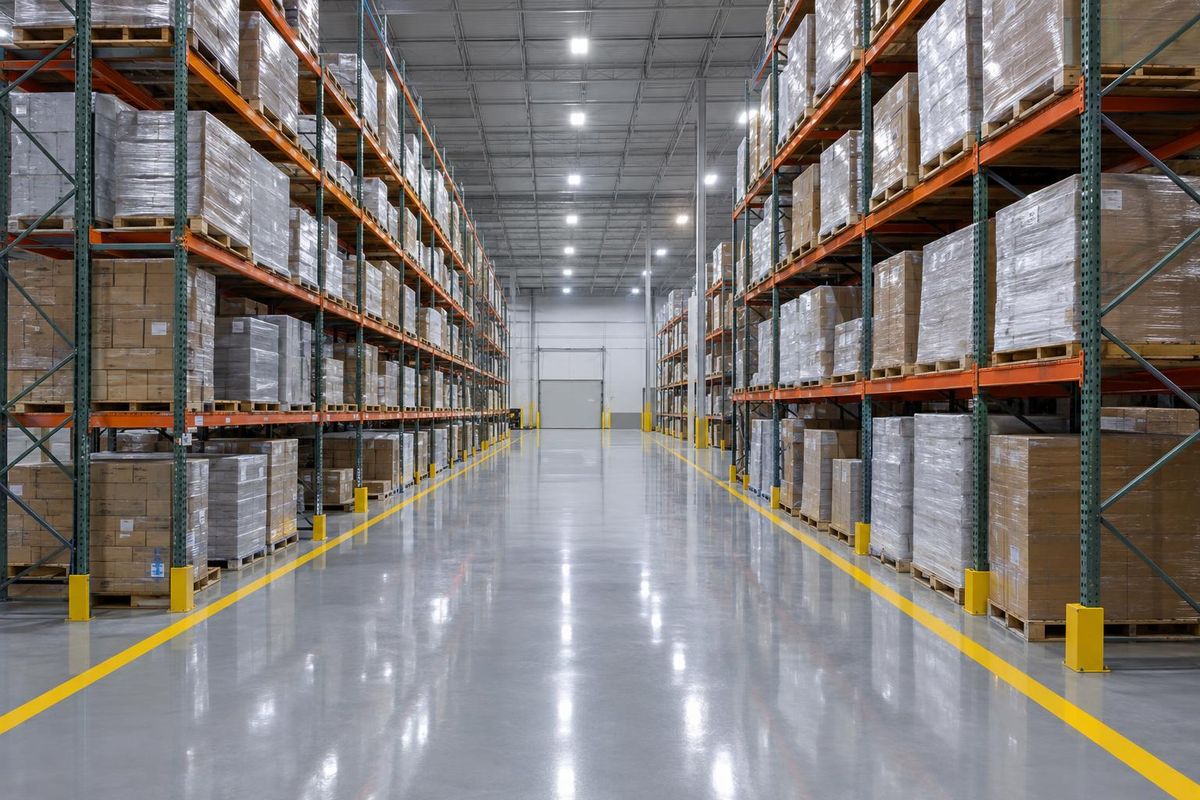
Foot traffic and light carts need only a moderate system. Forklifts, pallet jacks and heavy equipment call for a high-build coating and a hard topcoat, and sometimes a urethane cement for extreme wear.
Tell your installer the vehicle types, weights and how often they run.
Think about chemicals and cleaning
Acids, oils, solvents and hot washdowns each demand a different resin. Safety data sheets help choose between epoxy, novolac, urethane and others.
Cleaning methods matter too: steam, pressure washing and strong detergents need systems rated for them.
Do not skip the details
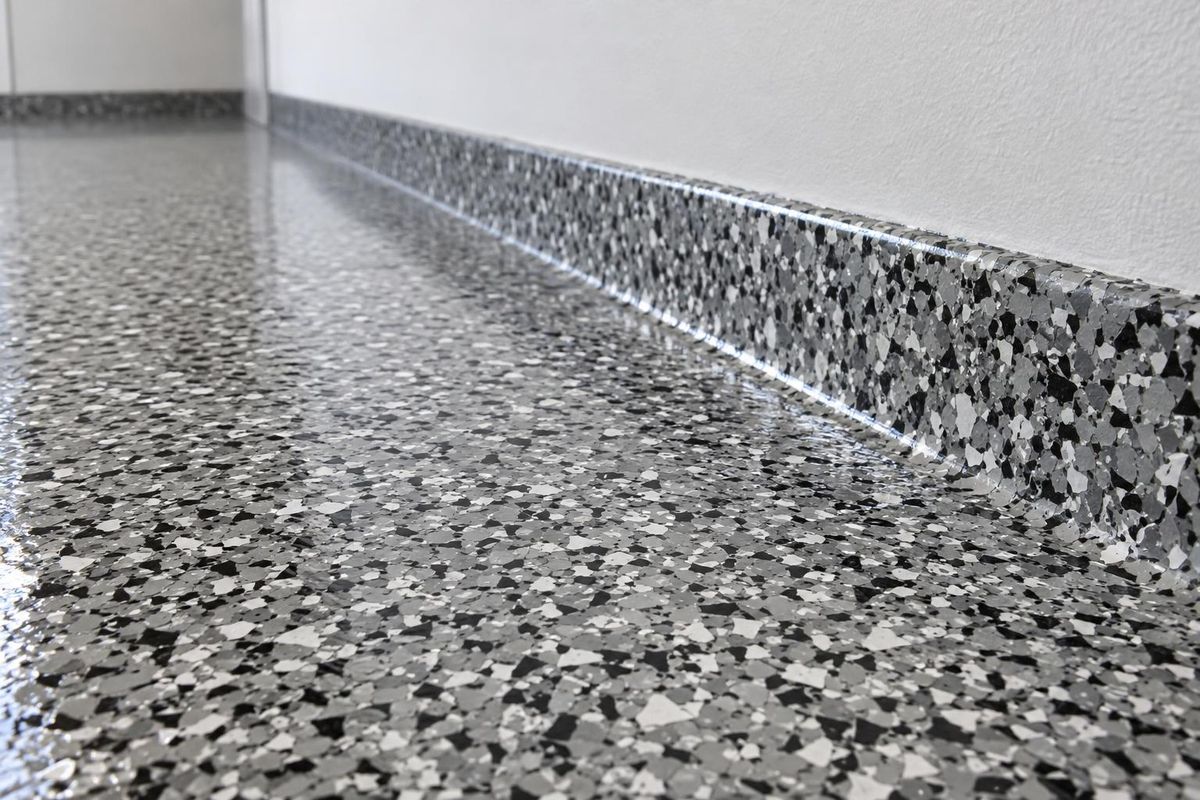
Joints that are open will chip at the edges, and cracks will telegraph through new coating. Cove bases keep liquids from creeping under the floor edge, and drains need correct slope and edge details.
These details are where industrial floors succeed or fail.
Planning around operations
Large floors are coated in zones so that part of the building stays in use. Fast-curing systems shorten downtime, and night or weekend work reduces disruption.
In Nashville and across Middle Tennessee, we often work in sections so deliveries and shifts can continue.
Quick answers
What coating is best for forklift traffic?
A high-build epoxy or urethane system with proper joint treatment, chosen for your loads.
Can we coat a floor that sees chemicals?
Yes. We choose resins by the chemicals present and design containment details.
How do we keep working during installation?
We phase the work by zone, so most of the building stays open.