Key takeaways
- Empty the garage as much as you can, including shelves along the walls.
- Tell your installer about oil stains, past coatings and water problems.
- Plan where vehicles and belongings will go for a few days.
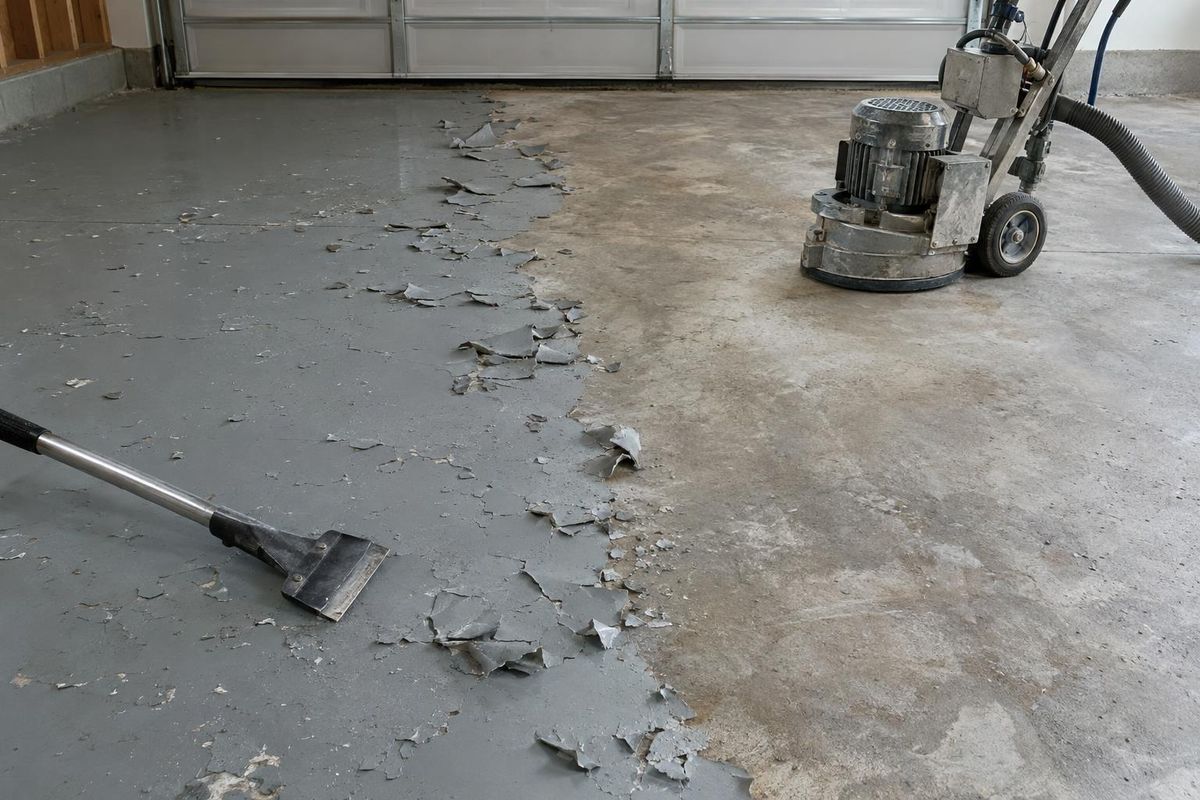
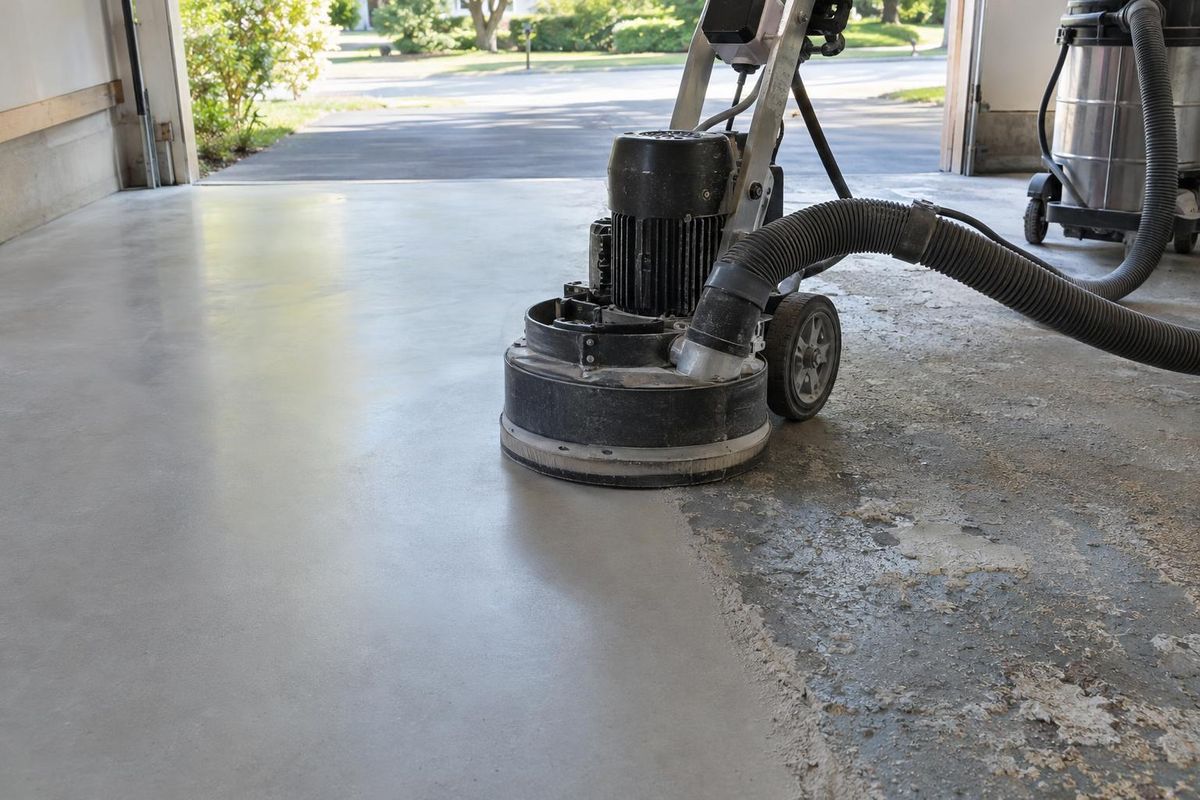
- Proper grinding, not extra cleaning, makes the coating bond.
Clearing the space
Vehicles, bikes, tool chests and shelves all need to move out so the whole floor, including the edges, can be ground and coated. Wall-mounted storage can often stay, but anything resting on the slab should go.
Lift and move heavy items safely. If you cannot move something, tell us in advance so we can plan around it.
What to tell your installer
Share anything about the slab: oil spills, an old paint or sealer, past water problems, a floor drain or a new addition. These details change how the slab is tested and prepared.
Mention how you use the garage as well. A workshop, a car collection and a home gym ask different things of a floor.
What happens on site
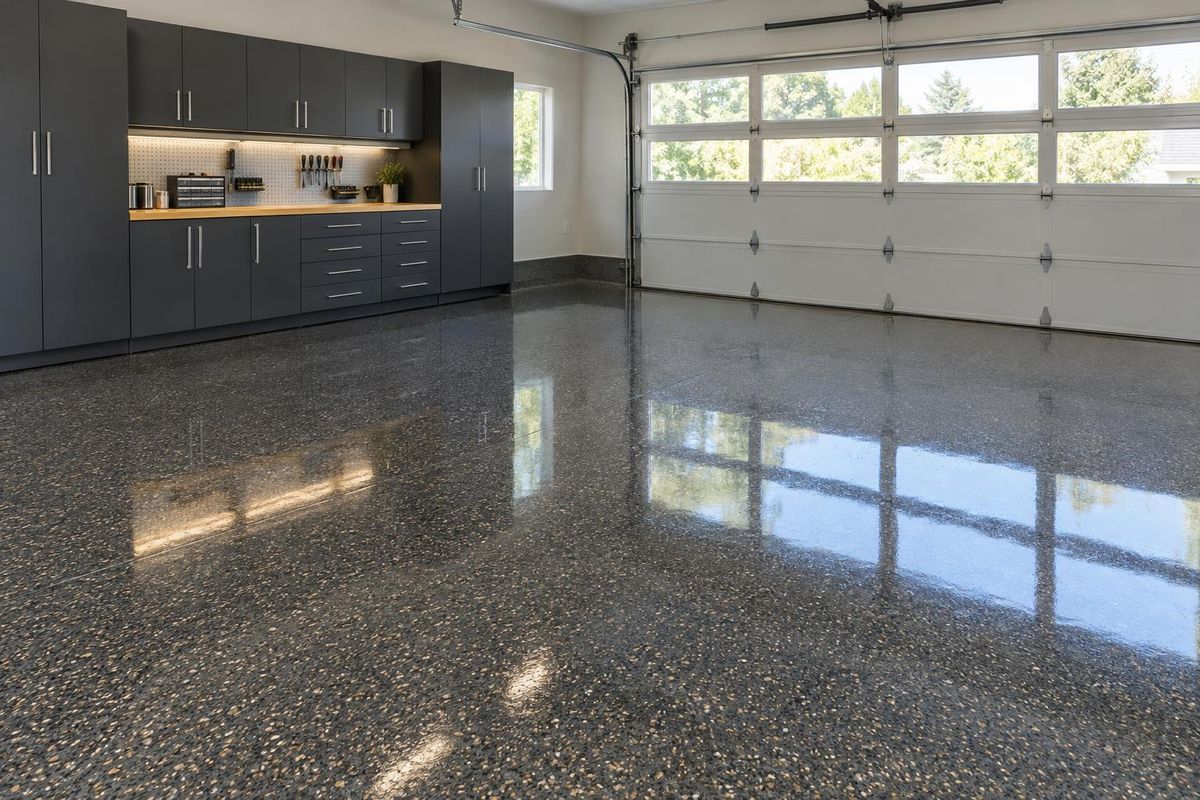
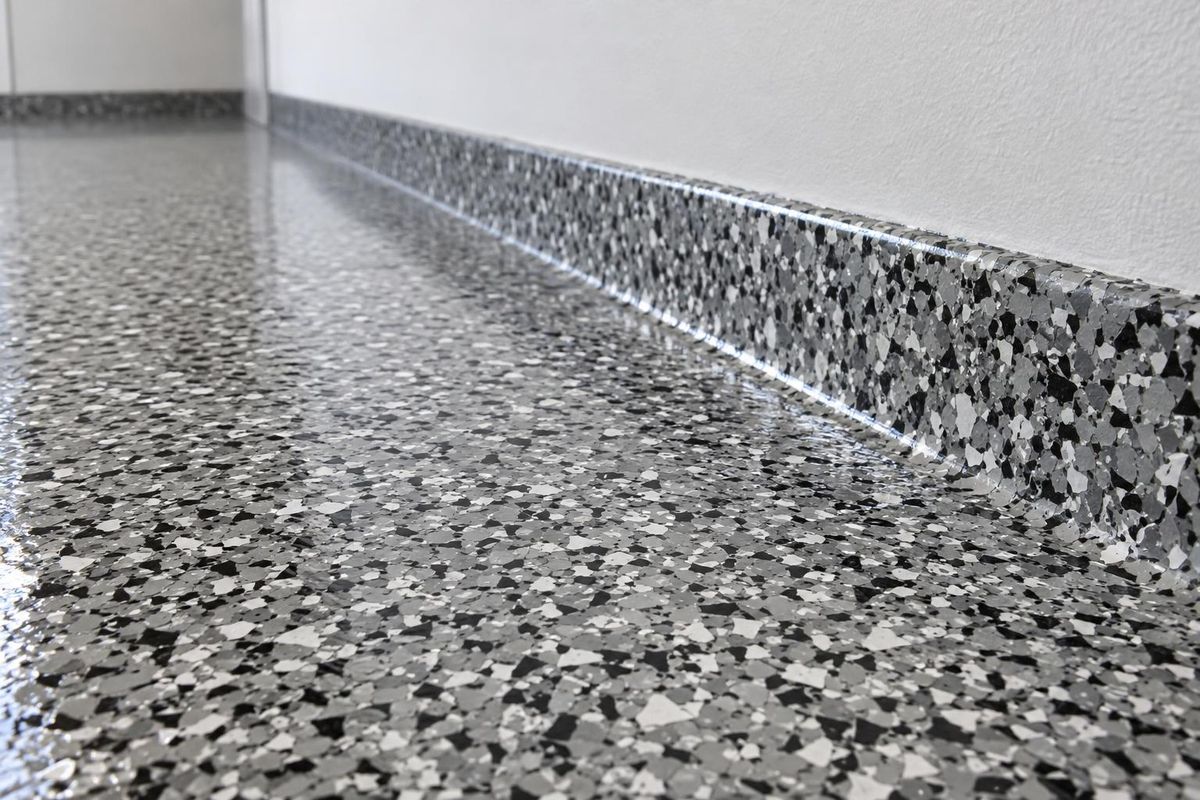
A good coating job begins with diamond grinding, crack and joint repair, and cleanup of every trace of dust. Then the base coat, flake or color, and clear coats go on. Between layers the floor needs time to cure.
Plan for vehicles to stay out until you are told it is safe, and keep pets and children away from the work area.
After the coating
Light foot traffic comes first, and vehicles come back after the cure time for the chosen system. Avoid dragging heavy items for the first few weeks, and wait before washing the floor with strong cleaners.
Your installer should give you care notes. If you are not given any, ask for them.
Quick answers
Do I need to clean the floor first?
A sweep helps, but we do the heavy cleaning and grinding as part of the job.
Can items stay in the garage?
Items on the slab need to move out. Wall-mounted storage can often stay.
How long will my garage be unavailable?
It depends on the system. Fast-curing systems shorten the time, and we give you a clear schedule.