Key takeaways
- Hairline shrinkage cracks are common in new slabs and are usually cosmetic.
- Cracks that widen, step or heave can signal movement below the slab.
- Cracks should be repaired before a coating goes on.
- Filler choice depends on whether the crack moves.
Why slabs crack
Concrete shrinks as it dries, and slabs crack at weak points. Control joints are cut to guide that cracking into straight lines, but some random hairlines are normal.
Temperature swings, soil movement and heavy loads also contribute, and tree roots and water flow can make things worse.
Cosmetic or concerning
Narrow, stable hairline cracks with no height difference are usually cosmetic. Cracks that are wider than a credit card, have one side higher than the other, or keep growing deserve a closer look.
If a crack comes with sticking doors or cracks in walls, bring in a structural professional before coating.
Repairing before coating
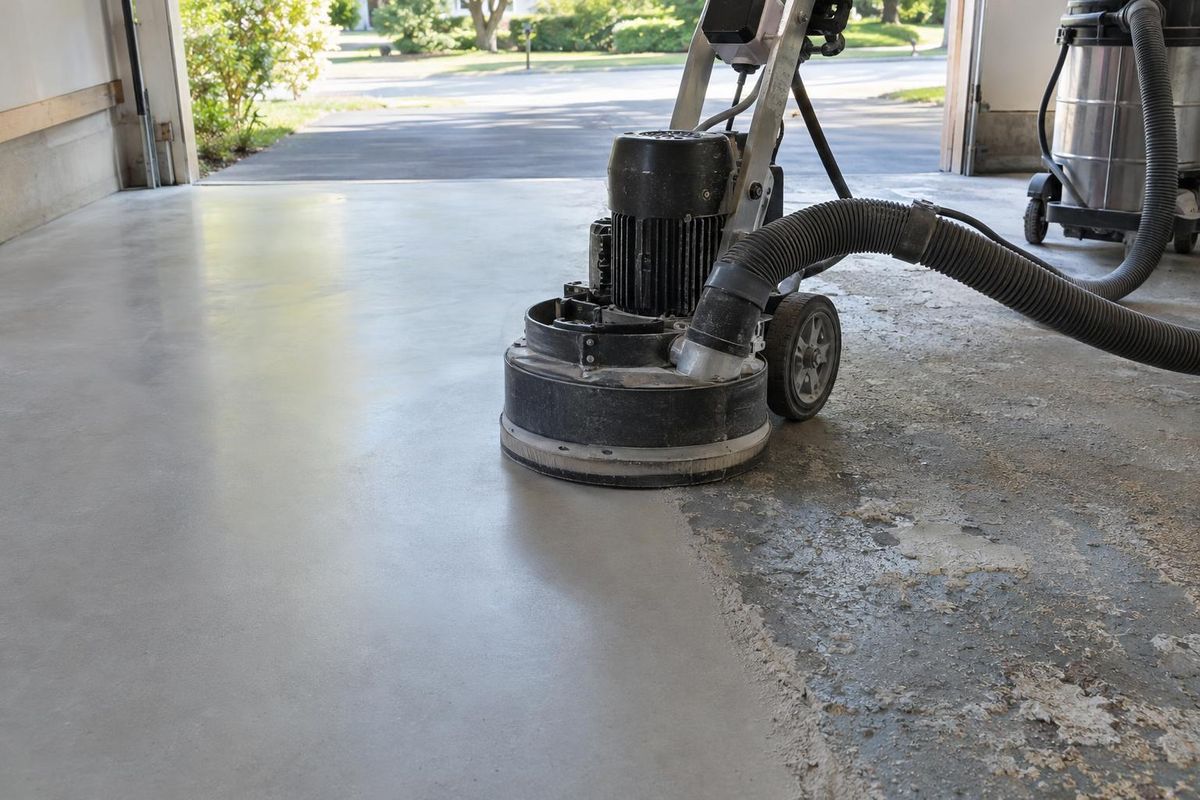
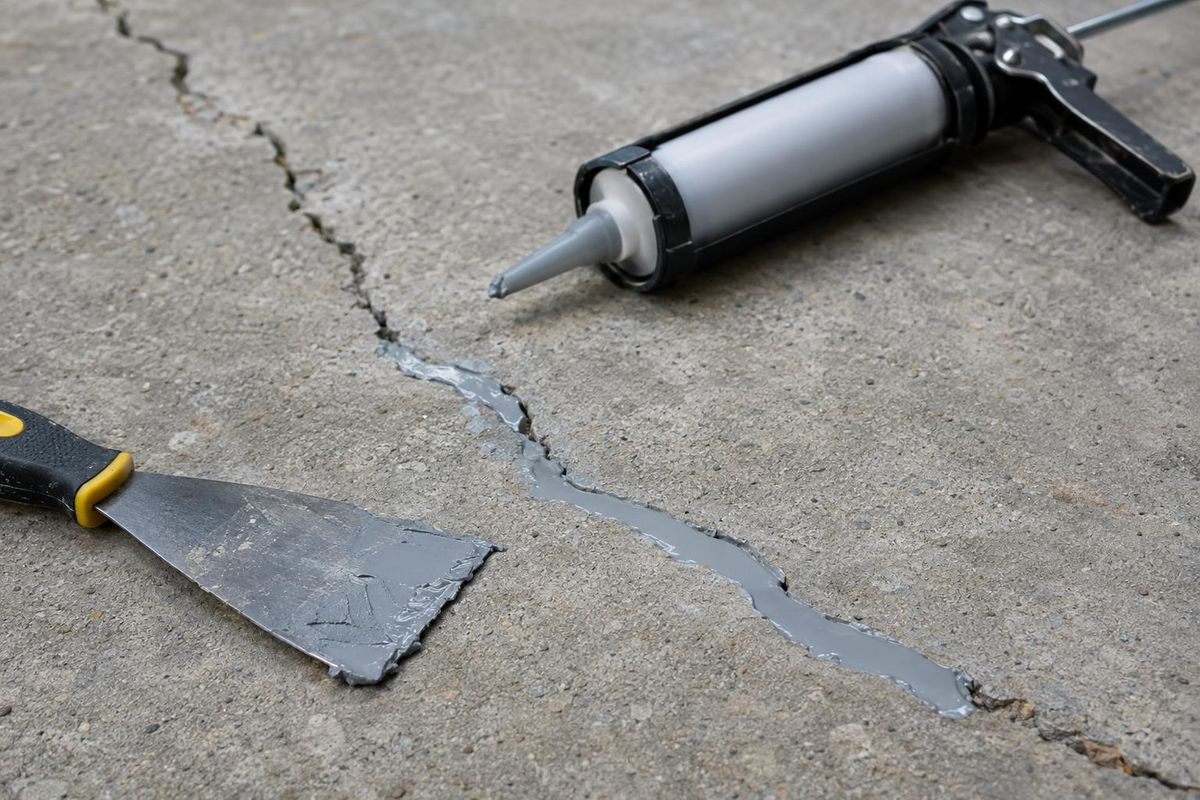
Stable cracks are routed or ground open, cleaned and filled with epoxy or polyurea, then leveled flush. Moving cracks and joints get flexible filler so the repair can move with the slab.
Skipping repairs is how cracks telegraph through new coatings in just a few months.
Preventing new cracks
Good drainage, gutters that carry water away from the slab and sealed joints reduce movement. Avoid driving heavy equipment over thin or unsupported slab edges.
In Middle Tennessee, clay soils can swell and shrink with rain, so drainage matters.
Quick answers
Will a coating cover cracks?
A coating hides hairline cracks after they are filled. Unrepaired cracks will show through.
Can I fill a crack myself?
Small cracks can be filled with a quality product, but proper opening and leveling give much better results.
When is a crack serious?
Wide, uneven or growing cracks, especially with other signs of movement, should be checked by a professional.